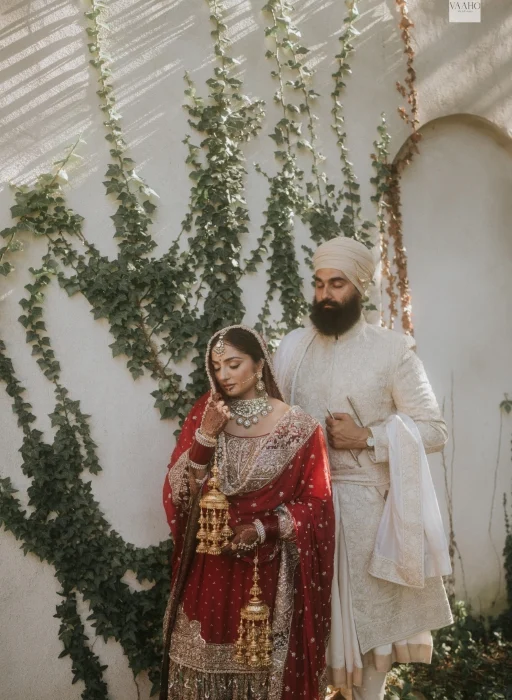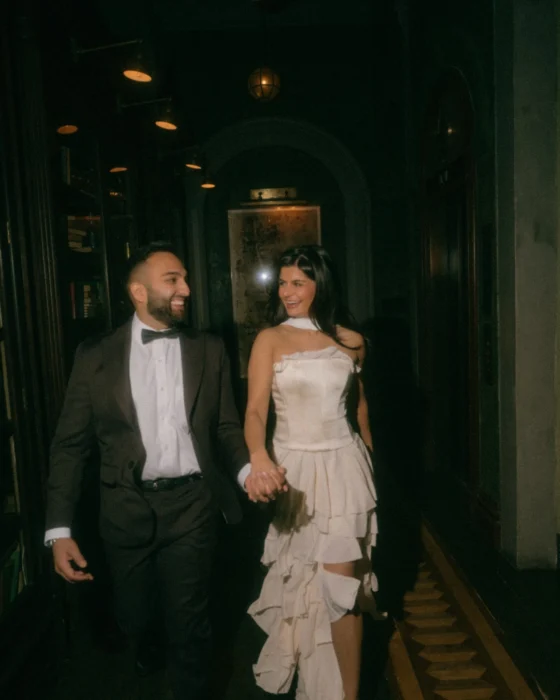
August 20, 2026 · Uncategorized
What a three-day Sikh wedding actually looks like to photograph
Mehndi, sangeet, the Anand Karaj and the reception — what changes between them, and what we plan for on each.
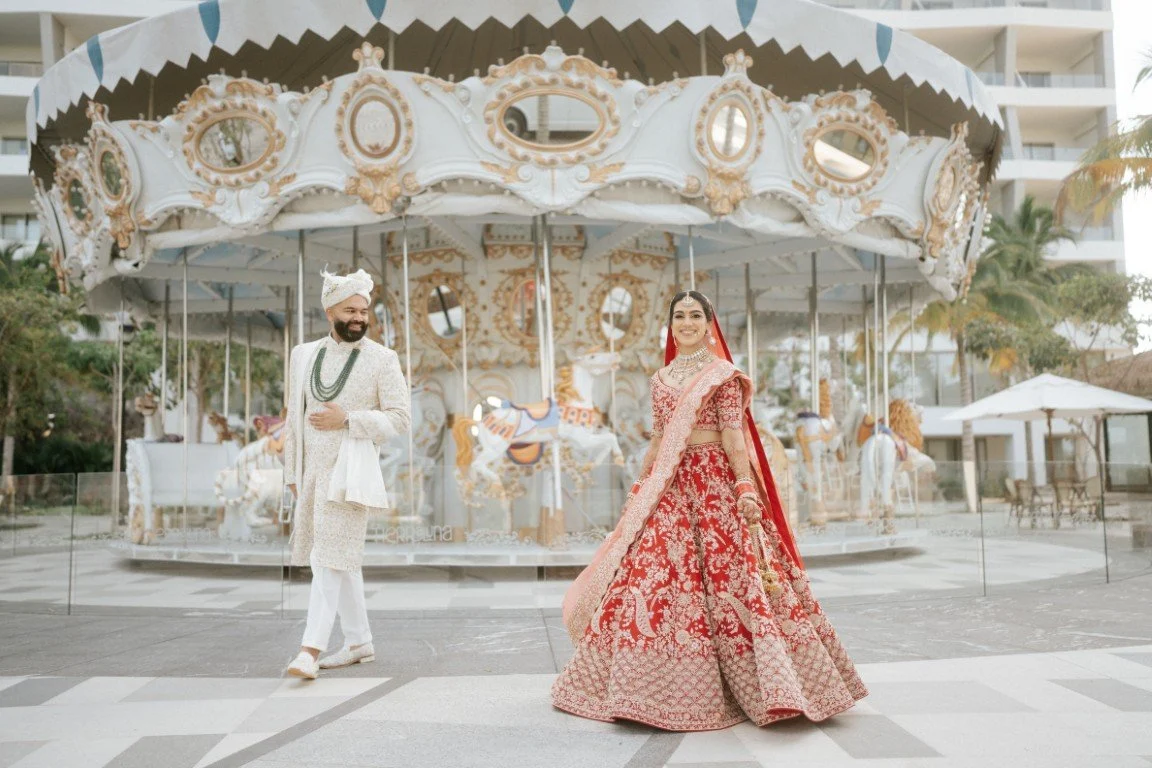
Most couples who write to us have been to plenty of weddings and never once thought about what photographing one involves. That is as it should be. But if you are choosing a studio, it helps to know what the three days ask of the people covering them.
Mehndi
Close, warm and usually indoors. The work is in hands and faces at short range, in light that is rarely flattering on its own. Two photographers is the right number — one on the bride, one on everything happening around her, which is usually where the best frames are.
Sangeet
Stage lighting, choreography and a crowd who came to watch. We light for movement rather than stillness, and cover the audience as much as the performance. Half the photographs couples keep from a sangeet are of someone laughing in the third row.
The Anand Karaj
Quiet, formal, and the one part of the weekend that cannot be repeated. Long lenses, no flash, and nobody standing in a family member’s sightline. This is where four decades of doing it matters more than any equipment.
The reception
Portraits before the doors open, then speeches, the first dance, and the part of the night nobody plans for and everybody remembers.
If your wedding runs to three or four days, the thing to ask any studio is not how many photographs you get. It is whether the same people are there on every one of them.